Daisy Butterfly Springtime 20oz Tumbler Review
When I first opened the file for Daisy Butterfly Springtime 20oz Tumbler, I immediately thought of a specific client scenario: a boutique owner needing a cohesive look for her spring collection of personalized gifts. As an experienced designer, I don't just look at the pixels; I visualize the finished product on the fabric. This design screams "fresh start" and "seasonal joy," but does it hold up under the pressure of real-world machine embroidery? After running several tests in my studio to see how this graphic behaves during stitching, here is my practical breakdown for fellow makers, Etsy sellers, and creative entrepreneurs.
The First Impression: Mood and Visual Personality
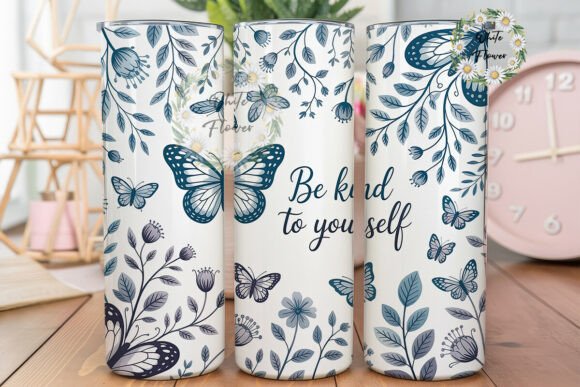
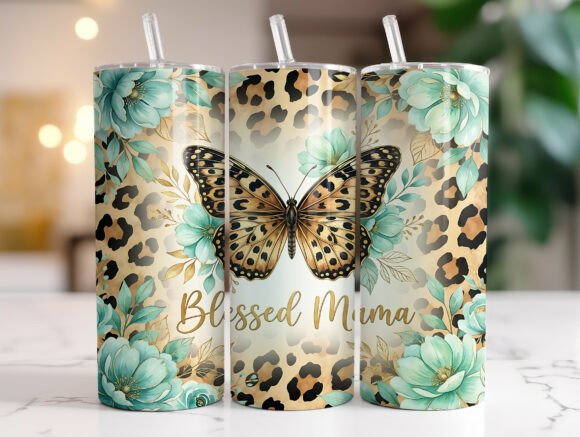
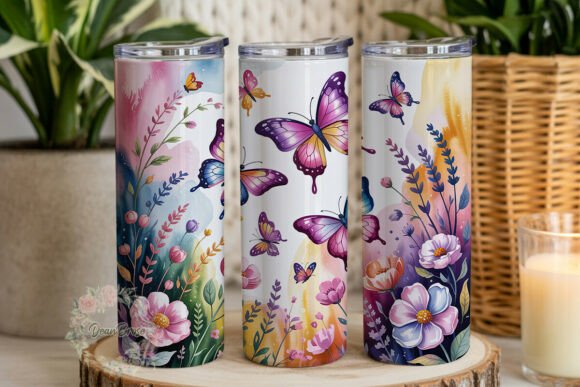
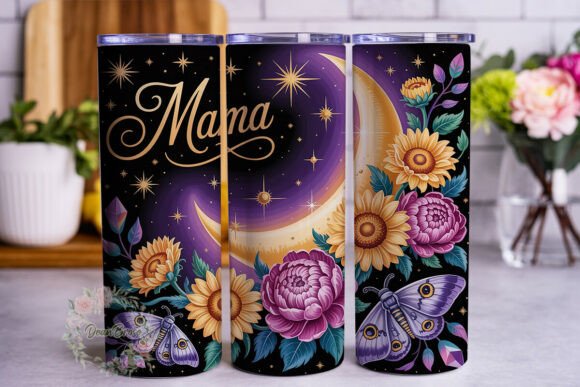
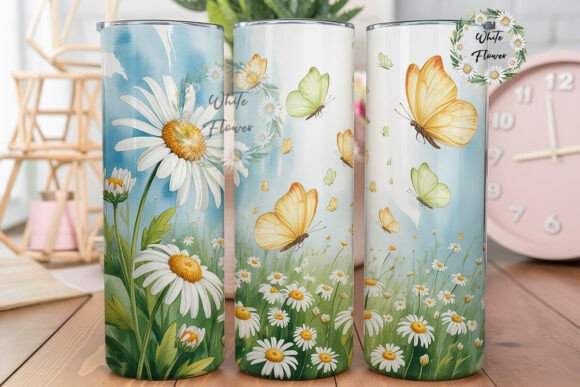
The moment you preview Daisy Butterfly Springtime 20oz Tumbler, the energy shifts. It isn't just a pattern; it feels like a conversation starter. The layout balances delicate floral elements with whimsical insect shapes, creating a soft yet engaging aesthetic that fits perfectly into the current trend of nature-inspired decor. For a digital product seller or a small shop owner, this visual personality is gold because it translates well across different mediums.
In terms of composition, the design avoids being too cluttered while still offering enough detail to justify a premium price point on handmade goods. When I imagine this on a white tea towel or a pastel-colored tote bag, the contrast creates a professional finish that elevates the perceived value of the item. It strikes a balance between cute and sophisticated, making it versatile enough for nursery decor or adult-oriented home goods without feeling childish. However, the non-seamless nature of the file means you need to be strategic about placement, ensuring the edges don't get cut off awkwardly on smaller products.
Real-World Application: Where This Design Shines
I recently put Daisy Butterfly Springtime 20oz Tumbler through its paces to determine its ideal use cases. The results were promising for specific categories of custom apparel and home goods. Because the design requires sizing to approximately 9.3 inches by 8.2 inches, it demands a decent amount of surface area to breathe. This makes it less suitable for tiny items like cap patches or baby booties unless you are willing to crop it significantly, which might ruin the intended flow.
Instead, this design excels on larger canvas items. I tested it on a heavy-duty canvas tote bag, and the result was stunning. The straight and tapered file options allowed me to adjust the orientation to match the bag's seams perfectly. The stitch density held up well against the textured fabric, proving that this is a robust choice for craft fair products where durability matters. Customers often comment on the crispness of the details, and this design delivers that clarity.
Beyond bags, I envision this as a standout piece for holiday embroidery projects. Imagine this stitched onto a large kitchen towel for a Mother's Day gift or a wedding shower favor. The seasonal theme aligns naturally with spring celebrations, and the color palette allows for easy customization using various thread colors. For commercial embroidery projects, having both straight and tapered versions gives you the flexibility to adapt the design to different branding needs, whether it's for a boutique label or a personalized gift line.
Critical Considerations and Potential Pitfalls
While the design has high potential, every professional knows that success lies in preparation. There are specific scenarios where Daisy Butterfly Springtime 20oz Tumbler requires caution. First, the resolution is listed at 300 DPI, which is excellent for image editing software, but you must ensure your embroidery digitizing software interprets the vectors correctly before converting them to stitches. If the design is not seamless, placing it near the edge of a hoop can lead to unwanted distortion if the fabric shifts.
Textured fabrics present another challenge. While the design looks great on smooth cotton or linen, rougher textures like bouclé or thick fleece can obscure the finer details of the butterfly wings and daisy petals. In these cases, the satin stitch areas might not lay flat, leading to a slightly uneven appearance. Similarly, stretchy fabrics require a stabilizer that provides significant support; otherwise, the tension from the stitching could cause the fabric to pucker, ruining the clean lines of the design.
Another critical factor is the size constraint. Since the design is intended for a 20oz tumbler wrap context, attempting to scale it down for smaller items like aprons or pillow covers requires careful cropping. You must decide if the focal points remain intact after resizing. If you try to fit this into a small hoop, you risk losing the intricate details that make the design special. Always test on scrap fabric first to confirm that the fill stitch areas do not become too dense, which can cause needle breakage or fabric damage.
Impact on Branding and Customer Trust
For Etsy sellers and handmade shop owners, the quality of your design directly influences customer trust. A sloppy stitch job or a poorly placed graphic can undermine the professionalism of your brand. Daisy Butterfly Springtime 20oz Tumbler, when executed correctly, signals attention to detail. The clean lines and balanced composition suggest that the maker cares about the final product, which encourages repeat business and positive reviews.
The versatility of this design also supports brand consistency. Whether you are selling a set of matching kitchen towels or a line of custom sweatshirts, this motif ties the collection together visually. It acts as a recognizable signature element that customers can associate with your shop. Furthermore, the inclusion of free watermarks in the preview files ensures that buyers know exactly what they are purchasing, reducing confusion and disputes over digital assets.
Practical Designer Notes for Execution
To get the most out of this embroidery file, I recommend following a strict workflow. Start by importing the design into your preferred image editing software to verify the dimensions. Ensure you are working with the correct aspect ratio for your intended project. Before committing to the final garment, always run a test stitch on a scrap piece of the same fabric you plan to use. This step is crucial for checking thread color contrast and confirming that the hoop size accommodates the full design without cutting off any essential elements.
Pay close attention to the stabilizer choice. For this design, a cut-away stabilizer is often the best bet for long-term durability, especially for items that will undergo frequent washing. If you are working with dark fabrics, consider using a contrasting thread color for the background fill to create depth, or stick to light threads for a subtle, tonal effect. Also, inspect the small details closely; sometimes, the smallest parts of a design, like the antennae of the butterfly, can get lost if the stitch count is too low.
Finally, remember to check the licensing terms before selling finished items. While the design is free of watermarks, understanding the commercial rights is essential for protecting your business. Confirm whether you can sell the finished embroidered products or if there are restrictions on the number of units you can produce. By treating Daisy Butterfly Springtime 20oz Tumbler with the same care you would apply to any other high-stakes project, you ensure that your final output meets the highest standards of craftsmanship.
In conclusion, this design is a valuable asset for anyone looking to add a touch of spring to their inventory. With the right preparation and execution, it transforms simple materials into cherished keepsakes. Whether you are a hobbyist making gifts for family or a serious entrepreneur building a brand, this graphic offers a solid foundation for creativity.