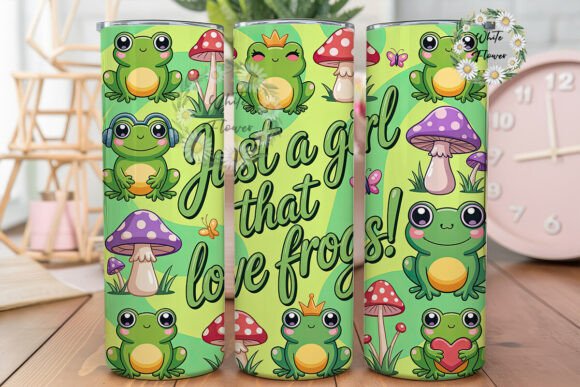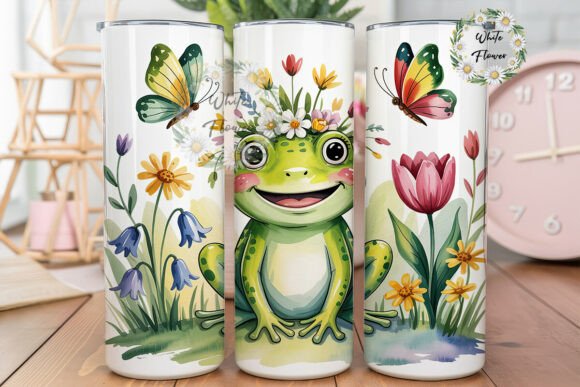
Watercolor Frog Garden 20oz Tumbler Wrap Review
When I first opened the file for Watercolor Frog Garden 20oz Tumbler Wrap, my initial reaction wasn't about stitch counts or file formats. It was about the mood. There is a specific kind of whimsy that only a watercolor style can capture, and this design manages to feel soft and organic rather than stiff or overly digital. As someone who has spent years evaluating embroidery files for both personal hobby projects and commercial small business lines, I look for designs that translate well from a screen to thread. This graphic promises a lush, garden-like atmosphere with frogs that seem ready to hop off the fabric.
The concept of a tumbler wrap is interesting because it usually implies a curved surface, yet this design is marketed as a machine embroidery asset. The description notes that you will need to size the design to 9.3" x 8.2" in your choice of image editing software, which immediately signals that flexibility is built into the workflow. However, the critical detail here is the note that the design is not seamless. For an experienced embroiderer, this changes how we approach the project. We aren't just stitching a logo; we are managing a composition that has distinct edges and likely requires careful placement on the final substrate.
From Digital Mockup to Real-World Stitching
I decided to put Watercolor Frog Garden 20oz Tumbler Wrap through a practical stress test. My goal was to see how it would perform on a custom embroidered tote bag intended for a local craft fair. The target audience for such items loves nature themes, and the watercolor aesthetic fits perfectly with the "handmade" vibe that customers crave. The resolution is listed at 300 DPI, which is excellent for visualizing the design before digitization, ensuring that the fine details of the leaves and frog features won't get lost in translation.
The file includes one straight option and one tapered option. In my experience, the tapered version often works better for wrapping around containers or creating a dynamic flow on flat goods like aprons. When I simulated the stitching process, the watercolor effect relies heavily on the variation of thread colors. If you choose high-contrast thread colors, the soft edges might become too defined, losing that dreamy quality. I recommend sticking to tonal variations—light greens, soft blues, and earthy browns—to maintain the original artistic intent.
One scenario where this design shines is in personalized gifts. Imagine a baby shower gift featuring a custom embroidered patch of this design on a onesie or a nursery pillow cover. The non-seamless nature actually helps here, as it frames the image beautifully without requiring complex pattern repeats. However, if you were planning to use this on a continuous roll of fabric for a quilt, the lack of seamlessness would require significant extra work to hide the edges, making it less ideal for large-scale textile production.
Where to Use (and Where to Think Twice)
While Watercolor Frog Garden 20oz Tumbler Wrap is versatile, it is not a universal solution. There are specific environments where this design will struggle. First, consider the hoop size. The dimensions of 9.3" x 8.2" are substantial. Trying to fit this into a small 4x4 inch hoop is impossible without cropping the entire aesthetic, which defeats the purpose of the watercolor composition. You need a medium to large hoop to do justice to the layout.
Fabric texture is another major factor. Watercolor styles rely on smooth transitions between colors. On a highly textured fabric like heavy denim or a coarse burlap, those subtle gradients will disappear. The design needs a relatively smooth surface, such as cotton twill, linen, or a smooth polyester blend, to show its true potential. Similarly, stretchy fabrics like jersey knits can distort the shape of the frogs and foliage during the stitching process, leading to puckering that ruins the delicate watercolor look.
Dark fabrics present a unique challenge. While you can definitely embroider on dark material, the light tones essential for the watercolor effect might require a dense underlay or multiple layers of stitching. This increases the stitch density significantly. If the stitch density becomes too high, the fabric can become stiff and uncomfortable, particularly if you are making apparel like sweatshirts or baby clothes. For these applications, testing on scrap fabric first is not just advice; it is a necessity.
Curved surfaces, such as caps or rounded tumblers, add another layer of complexity. Since the design is not seamless, placing it on a curved object requires precise alignment to ensure the image doesn't look distorted or cut off awkwardly. If you are selling boutique products, the finish must be flawless. A misaligned wrap on a curved surface can make a handmade product look amateurish, damaging customer trust.
Impact on Product Value and Brand Consistency
In the world of Etsy sellers and small shop owners, visual appeal directly correlates to sales. A design like Watercolor Frog Garden 20oz Tumbler Wrap elevates the perceived value of a finished product. Customers are willing to pay more for items that look cohesive and professionally designed. The watercolor theme suggests care and attention to detail, which translates well into brand consistency. If your shop focuses on nature-inspired, eco-friendly, or whimsical items, this design aligns perfectly with that narrative.
However, professionalism extends beyond the art itself. It involves how the design behaves technically. If the satin stitch edges are too sharp or the fill stitches are too dense, the item may lose its "soft" appeal. To maintain a high standard, I advise checking the thread color contrast carefully. Using threads that are too similar in shade can make the design muddy, while using threads that are too bright can clash with the watercolor style. Black and white mockups are also a useful tool to check the balance of light and dark areas before committing to expensive threads.
For commercial embroidery projects, licensing is a crucial consideration. Before selling finished items or digital products derived from this design, confirm the license terms. Some digital embroidery files allow for unlimited commercial use, while others restrict the number of units sold. Assuming a design is free to sell without verification can lead to legal issues down the line. Always read the fine print regarding commercial rights.
Practical Designer Notes for Success
If you are ready to incorporate Watercolor Frog Garden 20oz Tumbler Wrap into your next project, keep these practical tips in mind to ensure a successful outcome:
- Test on Scrap Fabric: Never start on your final product. Use scrap fabric of the same type to check for puckering, thread breaks, and color accuracy.
- Check Stabilizer Usage: Because of the size and potential density, proper stabilizer is key. A cut-away stabilizer often provides the best support for larger designs on garments and bags, preventing distortion after washing.
- Review Stitch Density: Look closely at the fill stitches. If they are too dense, the fabric may become rigid. Adjust the density settings in your digitizing software if possible to match the fabric weight.
- Inspect Small Details: Ensure that the smaller elements of the garden scene are clear. Tiny details can sometimes get lost if the thread tension isn't perfect.
- Compare Backgrounds: Test the design on both light and dark backgrounds to see how the colors interact. The watercolor effect might need different thread choices depending on the base fabric.
- Confirm Licensing: Verify whether you can sell finished items made with this design. Commercial embroidery often has stricter rules than personal use.
Ultimately, Watercolor Frog Garden 20oz Tumbler Wrap is a strong candidate for anyone looking to add a touch of whimsical nature to their handmade collection. Whether you are creating custom apparel, holiday gifts, or boutique merchandise, the design offers a unique aesthetic that stands out. By respecting the technical limitations of the file and understanding how it interacts with different materials, you can create finished products that delight customers and reflect your professional standards. Just remember: the magic lies in the execution, so take the time to plan, test, and refine your approach before hitting the start button on your machine.